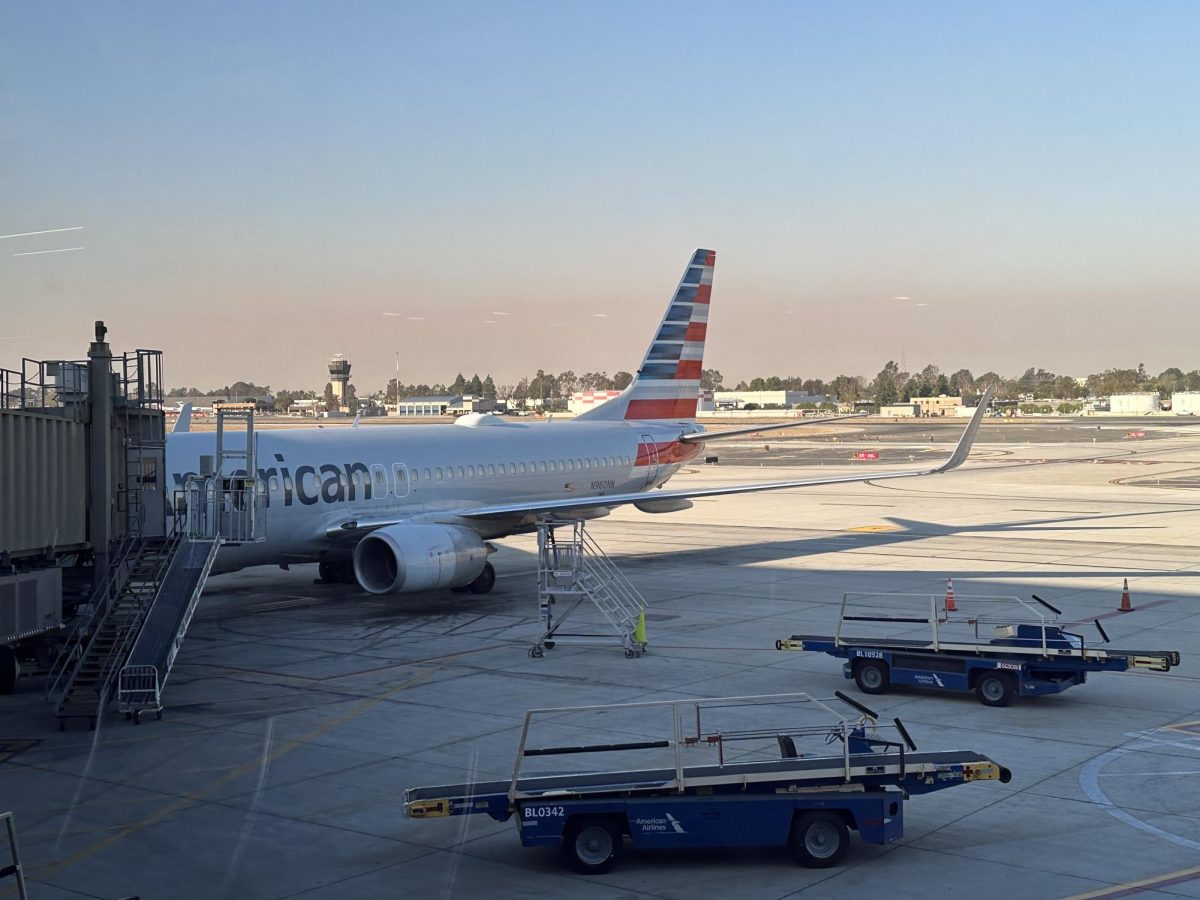
Around 8:40 pm on March 23, 2026, at the John Wayne Airport, a United Airline Boeing 737 flight 589 containing roughly 168 passengers nearly collided with an Army National Guard Sikorsky Black Hawk helicopter.
The Boeing 737, flight 589, was traveling from San Francisco to Santa Ana. Meanwhile, the Sikorsky Black Hawk was returning to the Joint Forces Training Base Los Alamitos airfield after engaging in a routine training mission.
As the two aircrafts crossed paths in the John Wayne Airport, they were only separated by 525 feet vertically and 1,422.43 feet laterally, horizontally.
The two aircrafts stated that they never lost visual sight of each other; however, considering the close proximity and approximate speeds of both aircrafts this simple mistake could have ended much more severely.
Missteps like these always have the possibility to end similarly to January 2025’s mid-air collision with an American Airline aircraft and an Army Black Hawk near the Ronald Reagan Washington National Airport that unfortunately took 67 lives. Or, more recently, Regional Air Canada’s aircraft collided with a Port Authority fire truck after landing at the LaGuardia Airport in New York City which led to the death of two pilots and injured dozens others.
With crashes like these becoming more frequent, the Federal Aviation Administration is beginning to implement new protocols and measures to prevent incidents such as the ones described. For example, aircrafts are now including safety alarms that will sound if another aircraft begins to enter their own air space or path.
Despite flying being recorded as the safest form of transportation, there remain several complications that can occur and cost the lives of many. Hopefully, with the FAA’s new regulations, passengers departing and returning to John Wayne airport can be more assured in the future.